Are Personalized Children's Books Actually Worth It? An Honest Breakdown
Thinking about spending $29 on a personalized book but not sure it's worth it? Here's an honest cost-vs-value breakdown — re-read rate, keepsake lifespan, and emotional payoff included.
You're standing at checkout — or hovering over a browser tab — and a small, reasonable voice in your head says: "Is this actually worth $29?" It's a fair question. Personalized children's books are everywhere right now, and the price tags range from affordable to eye-watering. As a value-conscious parent, you don't want to waste money on something that ends up forgotten under the bed by next Tuesday. You also don't want to miss the thing that turns out to be genuinely meaningful.
Quick answer: A personalized children's book is worth it when it scores high on three things — re-read rate, keepsake lifespan, and emotional payoff. Most novelty gifts fail on at least one. The best personalized books, particularly ones where your child's actual face appears in every illustration, tend to score well on all three. We'll explain exactly why below.
This isn't a sales pitch. It's the kind of honest breakdown you'd want from a friend who's thought carefully about how kids actually engage with gifts — and what "personalized" really means in practice. Let's get into it.
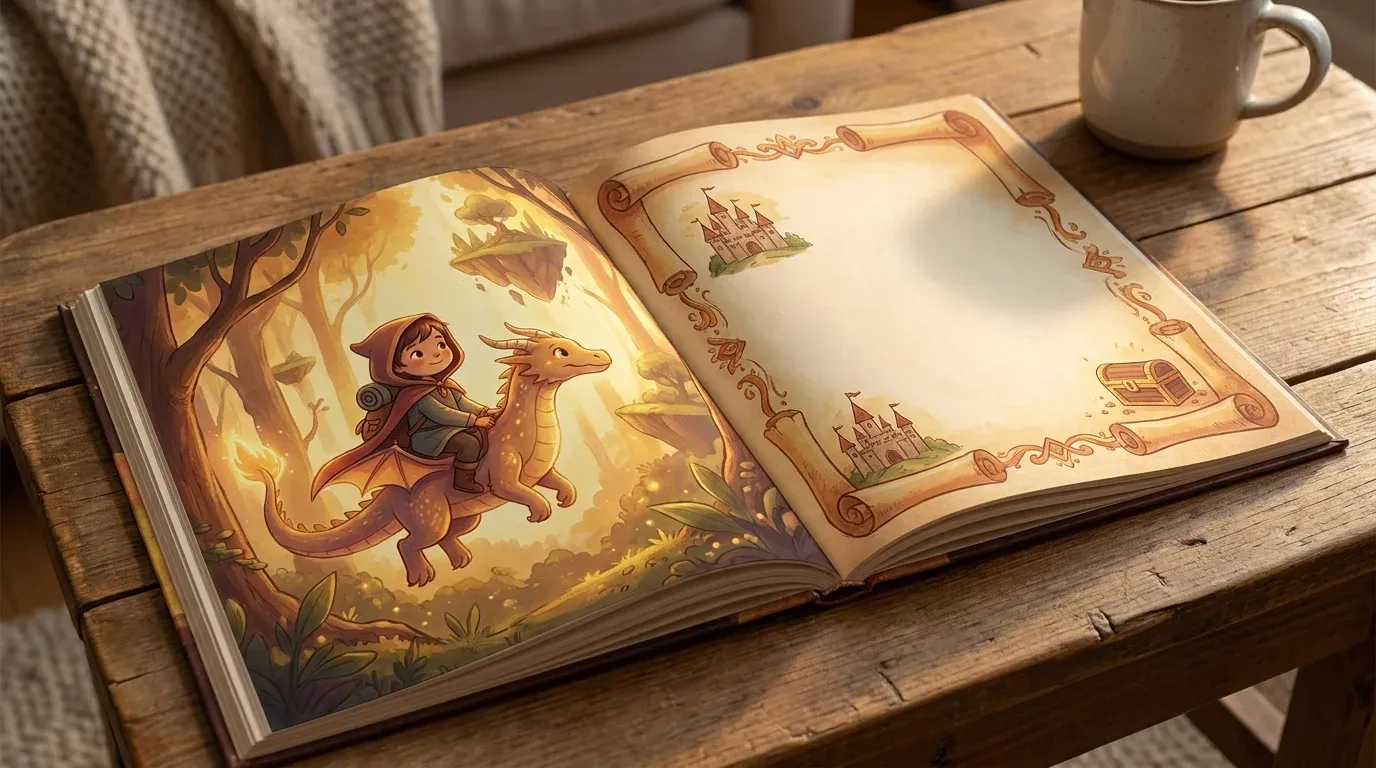
What You're Actually Paying For
When you spend $29 on a personalized book, you're not paying for paper and ink. You're paying for what economists call "experience value" — the emotional weight an object carries over time. Think about the gifts you remember from your own childhood. They weren't necessarily the most expensive. They were the ones that made you feel seen.
There are really two tiers of personalization in children's books, and they're not equal. The first tier is name personalization: the book is pre-written, and a script swaps in your child's name on the cover and occasionally inside. It's a nice touch, but a child old enough to notice their name is also old enough to notice that the character doesn't actually look like them. The second tier — and this is where the value equation changes significantly — is face personalization: the child's real photo is used to generate the illustrations, so every page shows a character who genuinely resembles them.
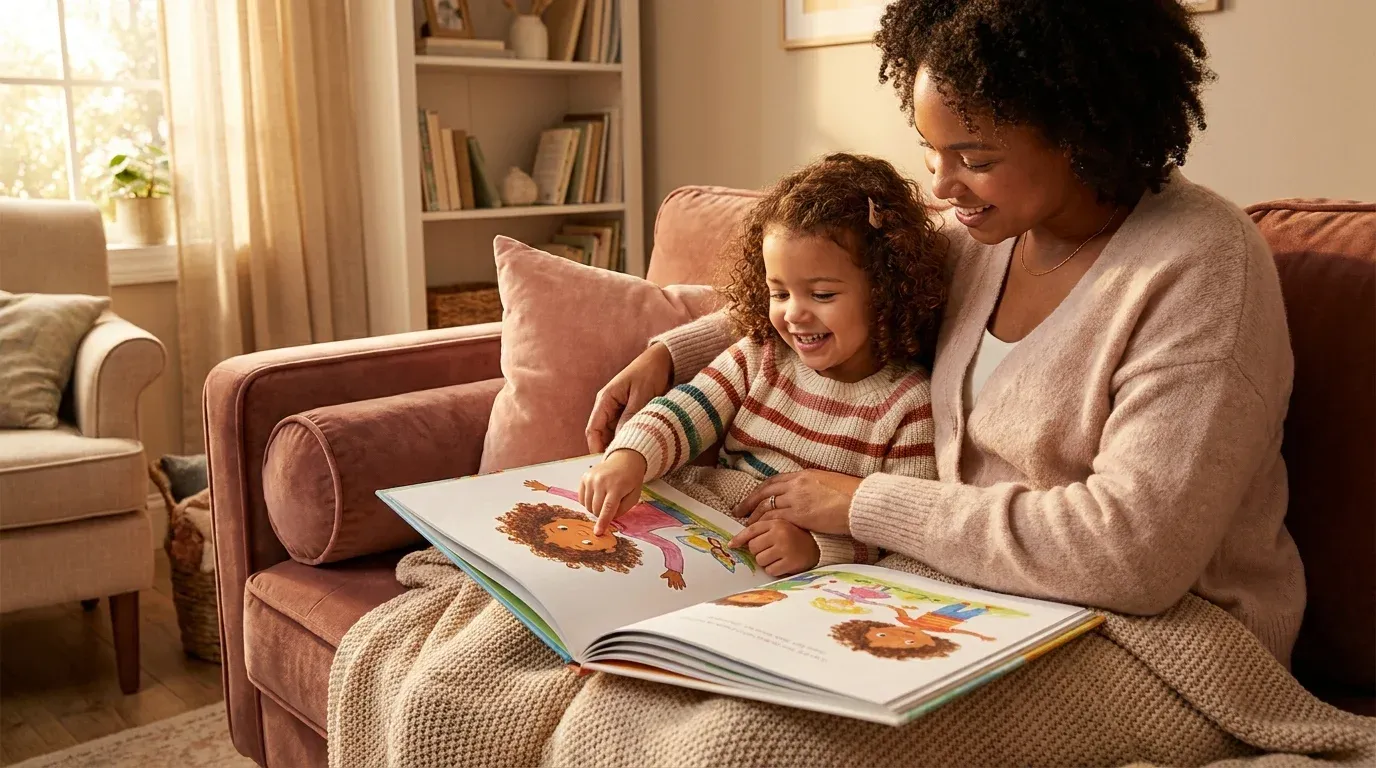
That distinction matters for the price question because face-personalized books deliver something a name-only book simply can't: genuine recognition. A three-year-old who points at a page and says "that's ME!" is experiencing something qualitatively different from one who just hears their name read aloud. That moment — and the dozens of times it repeats across re-reads — is what you're paying for. You can read more about this difference in our deep-dive on name personalization vs. face personalization.
When a Personalized Book Is Worth It (and When It Isn't)
Honest answer: a personalized book isn't the right call in every situation. Here's a straightforward breakdown of when the value holds up — and when it doesn't.
- Worth it: Gift for a child aged 1–8 who is read to regularly. These are the peak years for story engagement, and re-read rate is highest here.
- Worth it: A milestone moment — first birthday, starting school, welcoming a new sibling — where a keepsake has natural staying power.
- Worth it: A long-distance grandparent or relative who wants to give something emotionally resonant, not just functional.
- Worth it: A child who is a reluctant reader — seeing themselves as the hero of a story is one of the most effective re-engagement tools there is. Our post on encouraging reluctant readers covers this in depth.
- Less worth it: A child who is past the picture-book stage and unlikely to revisit it. Emotional payoff drops sharply after around age 9.
- Less worth it: A purely name-personalized book with no genuine visual connection to the child — the novelty wears off quickly.
- Less worth it: A last-minute gift bought with no thought to the child's interests or the story theme — personalization only works when it feels intentional.
The re-read rate is an underrated metric when evaluating price. A standard $15 board book that gets read 200 times over two years costs less than a cent per reading. A $29 personalized book that gets read — say, 80 times — costs about 36 cents per reading: still well within the range of reasonable entertainment spend per hour. The difference is that the personalized book also carries keepsake value that doesn't depreciate with use. It can live on a shelf at age 12 and still carry emotional weight.
Compare this to the average novelty gift that ends up donated or broken within months. If you're thinking carefully about intentional gifting, a face-personalized book fits the brief: it's used, kept, and remembered. If you're still weighing whether it's the right choice for someone else's child, our honest guide to whether personalized books make good gifts walks through exactly that question.
How to Tell a Great Personalized Book From a Gimmick
The market for personalized children's books has grown fast, which means the quality range is wide. Some products genuinely deliver; others are overpriced novelties. Before you buy, here are five things worth checking.
- Does the child's face actually appear in the illustrations, or just their name? Name-only is a $10 trick dressed up as a $35 product.
- Is the story well-written, or is it a thin template? A memorable book needs a real narrative arc — problem, adventure, resolution — not just a sequence of scenes.
- Are the illustrations genuinely tailored to the child, or is it a clip-art character with the name pasted nearby? Look for sample pages before buying.
- Is the theme something the child actually cares about? A space story for a child obsessed with dinosaurs is personalized in name only. Themes matter.
- What's the delivery format? Instant digital PDF means you can print multiple copies and never lose the original — a real advantage over a single printed copy that can be torn or lost.
On that last point: the ability to reprint is quietly one of the most valuable features a personalized book can have. A physical book from a print shop is wonderful, but knowing that the file exists forever — and can be reprinted for a grandparent, or re-gifted at a later milestone — changes the value calculation meaningfully.
We've compared the major players in the market directly — including Wonderbly and Hooray Heroes — in our honest personalized book comparison guide. The short version: the differentiator that matters most is whether the illustrations actually look like your child. Everything else is secondary.
At Epic Little Hero, the process works by having parents upload a photo, which the AI uses to generate illustrations where the child's real face appears on every page — not a generic avatar, not a cartoon stand-in. You can browse example spreads before committing, which is exactly what you should do with any personalized book purchase. See the illustrations first. If you'd be proud to put this on your child's shelf, it's probably worth it.
Frequently Asked Questions
Are personalized children's books worth the money?
Yes — when three conditions are met: the child is in the picture-book age range (roughly 1–8), the personalization is visual rather than just name-based, and the story is well-written enough to sustain re-reading. Face-personalized books, where the child's actual likeness appears in the illustrations, score highest on emotional impact and re-read frequency — the two factors that justify the price over time.
What's the difference between a name-personalized book and a face-personalized book?
A name-personalized book inserts the child's name into a pre-existing story — the illustrations are the same for every child who orders it. A face-personalized book uses the child's actual photo to generate custom illustrations, so the story's hero genuinely resembles them. The emotional impact for the child is substantially different. You can read the full breakdown in our article on what "personalized" really means in a children's book.
How long do kids stay interested in a personalized book?
Most children engage most intensely with picture books between ages 1 and 7. Within that window, a well-made personalized book — especially one that looks like them — tends to have a higher re-read rate than a standard picture book because the novelty of self-recognition doesn't fully wear off. Beyond the active reading years, the book often transitions into a keepsake role, staying on a shelf rather than being discarded. That dual function (active use + keepsake) is a big part of what makes the price defensible.
Is $29 a reasonable price for a personalized children's book?
By comparison, premium picture books retail for $15–$22 and feature no personalization at all. Quality personalized books with face-accurate illustrations start around $29 — roughly the price of two standard picture books. When you factor in re-read rate, keepsake lifespan, and the absence of shipping costs (for instant digital PDF delivery), $29 sits comfortably in the "worth it" range for a thoughtful, lasting gift.
What makes a personalized book a good keepsake versus a forgettable gift?
Three things: illustration quality, story quality, and genuine visual personalization. A book with the child's real face in rich, expressive illustrations is the kind of object families keep. A thin template with clip-art illustrations and just a name swap is not. Before buying any personalized book, ask to see real sample pages — any reputable maker will show you. If the illustrations could belong to any child, keep looking.
If you've read this far, you're clearly not an impulse buyer — and that's exactly why a well-made personalized book is likely worth it for you. You'll choose the right theme, you'll pick a book where the illustrations genuinely look like the child, and you'll give something that gets re-read and remembered. When you're ready, create your child's book at Epic Little Hero in a few minutes — upload a photo, pick a theme, and see how your child's face comes to life on every page. Starting at $29, with instant PDF delivery. No subscriptions, no shipping, no risk.