What to Get the Kid Who Already Has Everything (Without Adding to the Toy Pile)
When a child already has more toys than shelf space, the usual gift list doesn't cut it. Here's how to find a gift for the kid who has everything — one they genuinely can't already own.
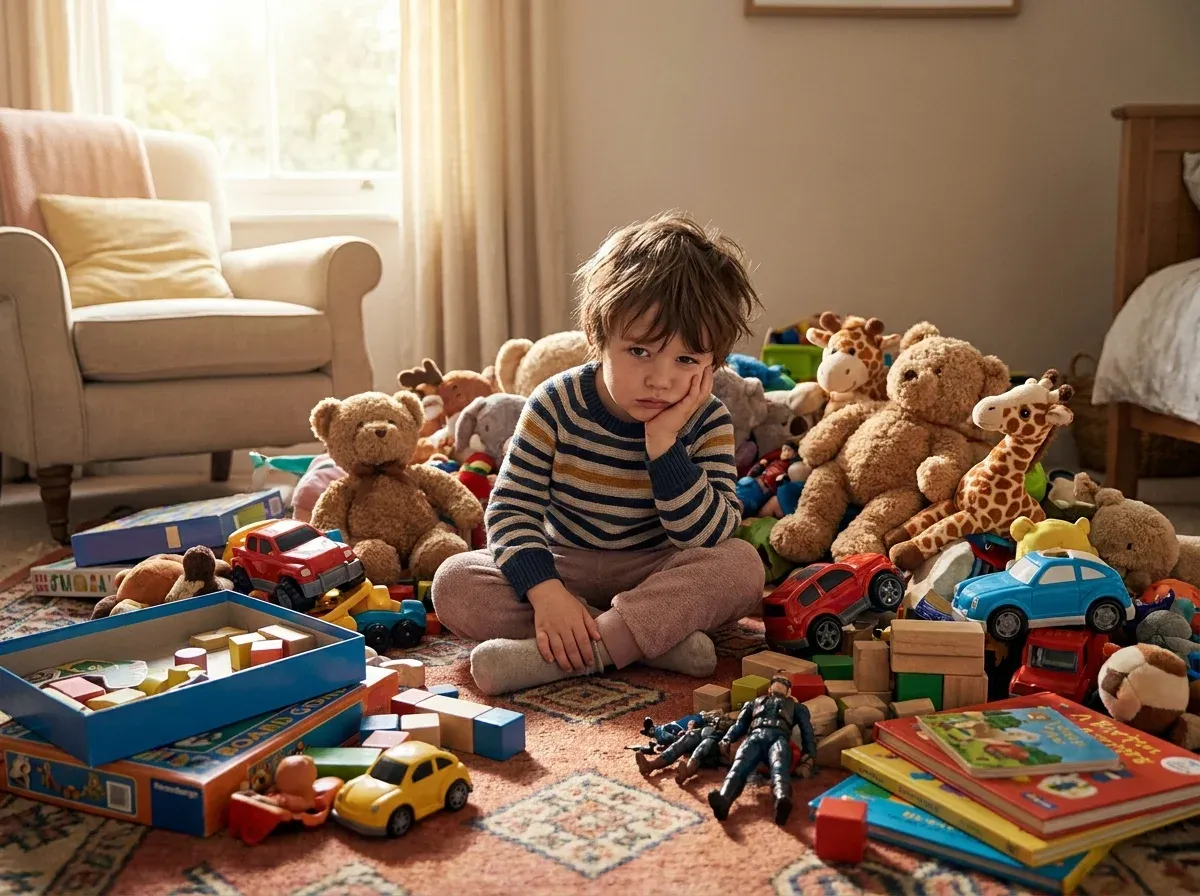
You've been here before. A birthday or holiday is coming up, you want to give something genuinely great, and then you visit the child's bedroom. Every shelf is full. There are stuffed animals that haven't been touched in months. A stack of board games still in their shrink wrap. Three different versions of the same building set. You stand there, gift ideas dissolving one by one, and think: what on earth do you get the kid who already has everything?
It's one of the most common gifting problems for grandparents, aunts, uncles, and family friends — and the usual answers (another toy, another game, another gadget) just don't cut it when every category is already covered. The real solution isn't to find a better toy. It's to step outside the toy aisle entirely.
Quick answer: The best gift for a kid who has everything is something that couldn't exist before you made it — something built specifically around that child. Experiences, one-of-a-kind keepsakes, and personalized gifts that feature the child themselves are the categories that consistently land, precisely because no amount of prior gift-giving could have already covered them.
Why 'More Stuff' Stops Working
There's a point in many children's lives — often somewhere between age 3 and 7 — when the sheer volume of things they own starts to work against the magic of receiving. Observers of children and play have noted that toy overload can actually reduce engagement: when a child has too much, individual items lose their value and attention spans shorten. From a gifting perspective, this means the child who seems hardest to shop for isn't spoiled — they're just overstimulated.
For the gift-giver, this is actually freeing. It means you're not failing because you haven't found the right toy — you're just operating in the wrong category. The toys that could genuinely delight have largely been claimed. The space that's open is everything else: connection, identity, novelty, and meaning. These aren't abstract concepts. They translate into real, holdable, giftable things.
If you've browsed the 5-gift rule for toddlers, you'll recognize this thinking — the framework deliberately moves parents away from volume and toward intention. Intentional gifting isn't just a trend; it's a response to exactly the problem you're facing right now. And it opens up a much more interesting set of options.
Gifts That Are One-of-a-Kind by Definition
The reason most gifts can already be owned is simple: they're mass-produced. Any toy you find on a shelf exists in millions of identical units. The child's parents, grandparents, and every birthday guest before you had access to the exact same catalog. So the only way to give something truly new is to give something that could only exist for this child — something individualized at its core.
Here are the categories that reliably work when everything else is already covered:
- Experiences — a class, a day trip, or a creative workshop centered on something they love (cooking, art, nature, gymnastics). Experiences can't stack up in a bedroom corner.
- Handmade or commissioned items — a custom portrait, a piece of art featuring the child, something a person made specifically for them.
- Memory-based gifts — a photo book curated around a shared experience, a letter written to be opened at a future milestone, a video message from someone far away.
- Personalized books where the child is the actual main character — not just name-dropped, but visually present on every page.
- Charitable gifts in the child's name — a donation to a cause they care about, paired with a story about why it was chosen for them.
What all of these have in common: they can't be bought ahead of time, stockpiled, or duplicated. They require knowing something specific about the child — which, as a relative, you actually do. That's your advantage over any algorithm or bestseller list.
The Gift They Literally Can't Already Own
Of all the personalized options out there, one stands apart in a very specific way: a storybook where the child's real face appears in every illustration. Not just their name swapped into the text — their actual likeness, woven into original artwork, starring as the hero of an adventure. It's the kind of gift that stops a child mid-page to whisper, "That's me."
This is exactly what Epic Little Hero does. Parents or gift-givers upload a photo of the child, choose a story theme — Space, Fantasy, Jungle, Ocean, Dinosaurs, or Magic — and AI generates a fully illustrated book where the child's real face is rendered into every scene. The result isn't a generic character who shares a name. It's unmistakably, delightfully that specific child, flying a rocket or exploring a jungle or casting spells in an enchanted forest.
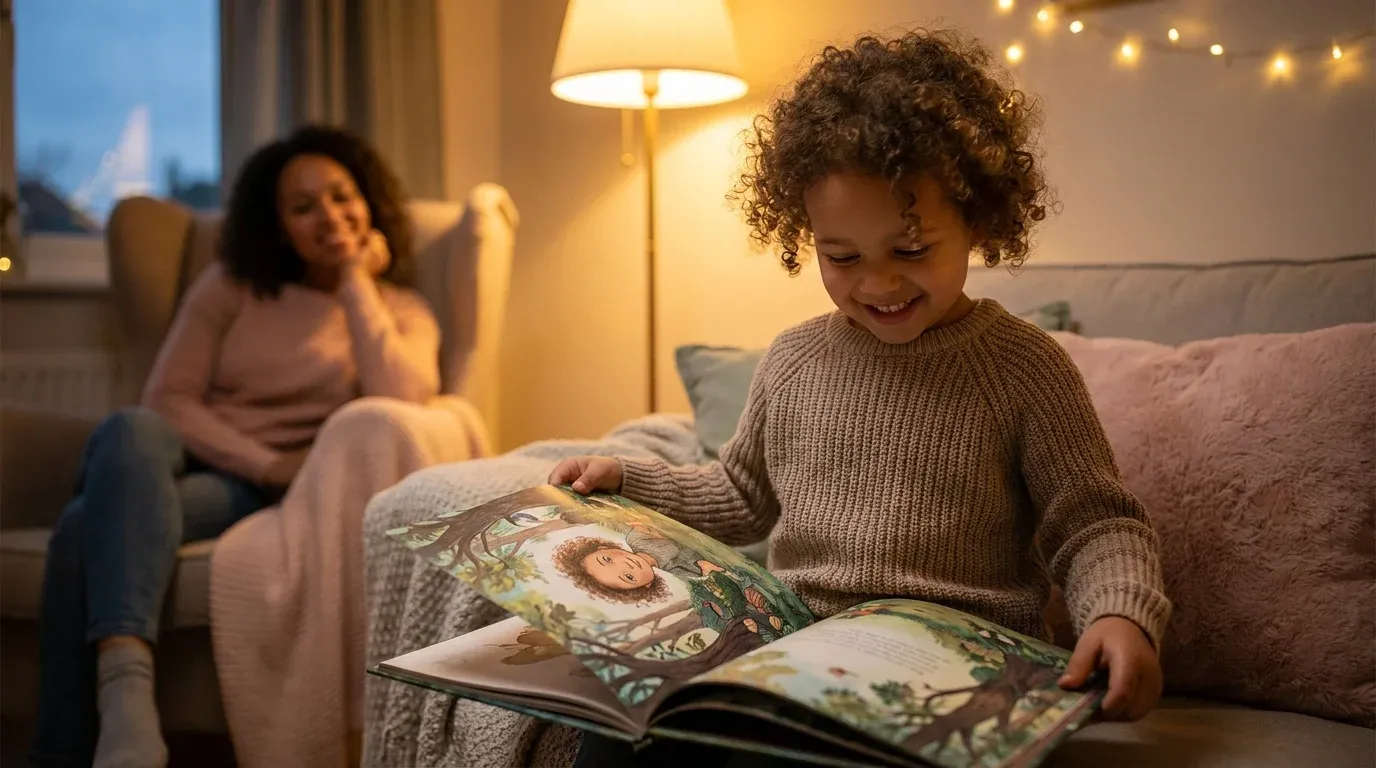
The reason this works so well for the child who has everything is logical: you cannot already own a book that stars your own face. No amount of prior birthdays or holidays could have produced it, because it didn't exist until someone made it specifically for this child. It's the one category of gift that is, by definition, impossible to duplicate or pre-empt. If you're curious how it compares to other personalized book options, the difference between name personalization and face personalization is worth understanding — the gap is bigger than most people expect.
There's also a practical elegance to it. It arrives as a digital PDF — instant delivery, no shipping, no wrapping-paper pile to add to. You can print it at home or at any print shop at whatever size feels right. At $29, it lands in the thoughtful-gift range without requiring a big budget. And unlike a toy, it doesn't need batteries, doesn't break, and doesn't end up in a donation box after six weeks. Many families find it becomes one of the most-reached-for books on the shelf — because children are endlessly fascinated by stories about themselves.
How to Make the Gift Land Even Better
Even the most thoughtful gift benefits from a little presentation. If you're giving a personalized book, consider asking one of the child's parents to send you a recent photo that really captures their personality — a big grin, their favorite outfit, an expression that's unmistakably them. The more the illustration resembles the child the family actually knows, the bigger the reaction.
If you want to see how other families have experienced the moment of unwrapping, the examples in the catalog give a real sense of what the finished book looks like across different themes and ages. It helps to picture the child you're shopping for in one of those scenes before you choose a theme. A kid obsessed with space is going to lose their mind at a version of themselves floating among the stars. A child who loves animals? The Jungle theme is likely to be read cover to cover before bedtime. And if the toddler in your life is car-mad, the best gifts for toddlers who love cars goes well beyond another toy vehicle — with ideas that actually match the depth of that obsession.
For gift-givers who aren't the child's parent, the process is straightforward enough that you don't need any help — upload a photo, choose a theme, and the book is ready faster than most people expect. It's the rare gift where the making of it is almost as enjoyable as the giving.
Frequently Asked Questions
What is the best gift for a child who has everything?
The best gifts for kids who already own a lot are ones that couldn't exist before someone made them specifically for that child. Experiences, handmade items, and deeply personalized keepsakes — especially ones that feature the child's actual face or likeness — are the categories that consistently surprise and delight, because no prior gift-giving occasion could have covered them.
What are clutter-free gift ideas for kids?
Clutter-free gifts include digital or printable items (like a custom storybook PDF), experiences such as classes or day trips, subscriptions to creative platforms, and charitable donations in the child's name. These gifts are meaningful without adding to an already full toy shelf — and parents quietly appreciate the consideration. If you're thinking about which books are actually worth adding to that shelf, the curated starter-shelf approach to building a home library for toddlers is a helpful guide for choosing with intention rather than volume.
Are personalized children's books a good gift for kids who already have lots of books?
Yes — with one important distinction. A book where the child's real face appears in every illustration is categorically different from any book they already own. Generic books, even beloved ones, tell someone else's story. A personalized book starring the child themselves is uniquely compelling — children tend to engage more deeply and revisit stories more often when they see themselves as the protagonist.
What do you get a child who has too many toys?
Shift from the toy category entirely. Think about what makes this particular child feel seen, celebrated, or special — and look for gifts that deliver that feeling rather than another object to own. A custom storybook, a meaningful experience, a handwritten letter with a promise of quality time — these outlast almost any toy, and they don't compete with what's already on the shelf. If you're shopping for two children at once, the challenge doubles — the guide to finding birthday gifts for twins tackles exactly how to make each child feel individually celebrated.
How much should I spend on a personalized gift for a child?
Meaningful personalized gifts don't have to be expensive. A custom storybook from Epic Little Hero starts at $29 and delivers as much emotional impact as gifts that cost many times more — often more, because of how specific and thoughtful it is. The perceived value of a personalized gift comes from the effort and intention behind it, not the price tag.
When the usual options have run out, the most memorable gift is often the simplest one to explain: it's a book about them. Not a character who shares their name. Not a story that could belong to any child. A book where they are undeniably, visibly the hero — their face, their adventure, their story. If you're ready to make one, you can start right here in just a few minutes.