How Reading Builds Empathy in Children (And Why It Works So Well)
Stories do something that lectures and praise simply can't — they let children feel what it's like to be someone else. Here's the science and heart behind why reading is one of the most powerful tools for raising a kind child.
You've probably noticed it yourself: you're reading a picture book aloud and your child's face changes. Their eyes widen when the little fox loses her home. Their brow furrows when the brave knight faces something scary alone. They reach for your hand. Something is happening in those small, quiet moments — something much bigger than the story itself.
That something is empathy in the making. And it turns out that reading stories to children is one of the most reliable, research-backed ways to grow it — not through moralizing, not through time-outs, but through the simple act of sitting inside another character's experience and feeling what they feel.
Quick answer: Reading builds empathy in children by inviting them to inhabit other perspectives — to feel a character's fear, joy, or loneliness as if it were their own. This emotional practice, repeated across hundreds of stories, trains the brain to recognize and care about feelings beyond their own, which is the very foundation of empathy.
How Stories Teach Perspective-Taking and Empathy
Psychologists use the term "perspective-taking" to describe the ability to understand a situation from someone else's point of view. It's the cognitive engine that powers empathy — and it doesn't come naturally to young children. Toddlers and preschoolers are developmentally egocentric, not because they're selfish, but because their brains are still building the wiring to understand that other people have inner lives, feelings, and needs different from their own.
Stories accelerate that wiring. Every time a child follows a character through a problem — a rabbit who's lonely, a girl who's scared of the dark, a boy starting a new school — they are mentally stepping outside themselves. Researchers at the University of Toronto found that people who read fiction regularly score higher on tests of social cognition and empathy than non-readers. The effect isn't coincidental: fiction is essentially a perspective-taking workout, and children who are read to frequently get a lot of practice.
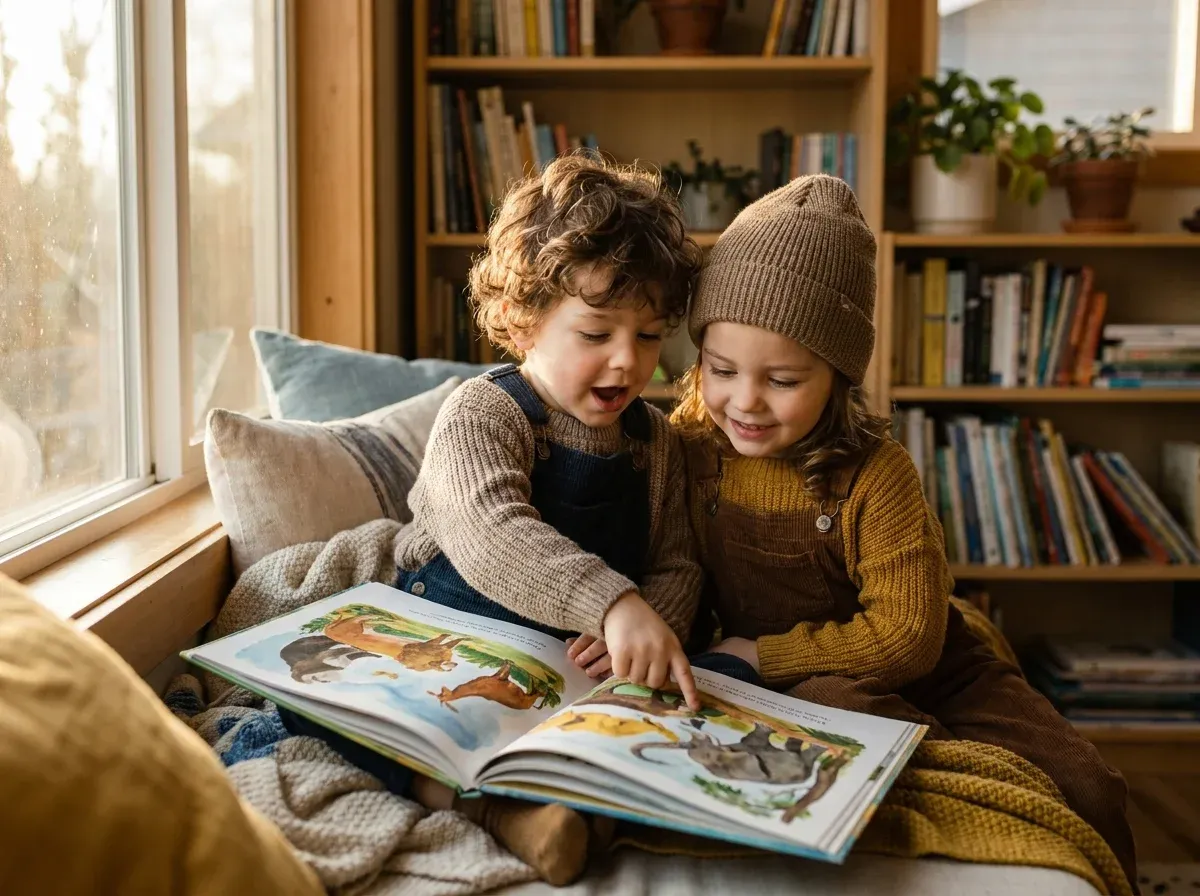
What makes picture books especially powerful for young children is the combination of language and image. A child can't just skim past an illustrated face filled with worry or wonder — they have to sit with it. The visual emotional cue, paired with the story's narrative, gives children a safe, low-stakes way to recognize and process emotions they may not yet have words for. That emotional vocabulary is itself a building block of empathy: you can't care about what someone feels if you don't have a framework to understand it.
Being the Hero Who Helps Others
There's perspective-taking — imagining someone else's feelings from the outside — and then there's something even more powerful: being the character who decides to help. When a child identifies deeply with the hero of a story, they don't just observe kindness; they experience making the kind choice. They feel the pull of competing options (help or walk away?), and they feel the satisfaction when the hero does the right thing. That emotional rehearsal matters.
This is one reason why children's engagement with a story's hero is so meaningful for their emotional development. When children see themselves in a character — not just their name, but genuinely themselves — they stop reading about empathy and start practicing it from inside the story. Research on narrative identity suggests that children who can imagine themselves as kind, helpful characters are more likely to act that way in real life. The story becomes a kind of rehearsal space for who they want to be.
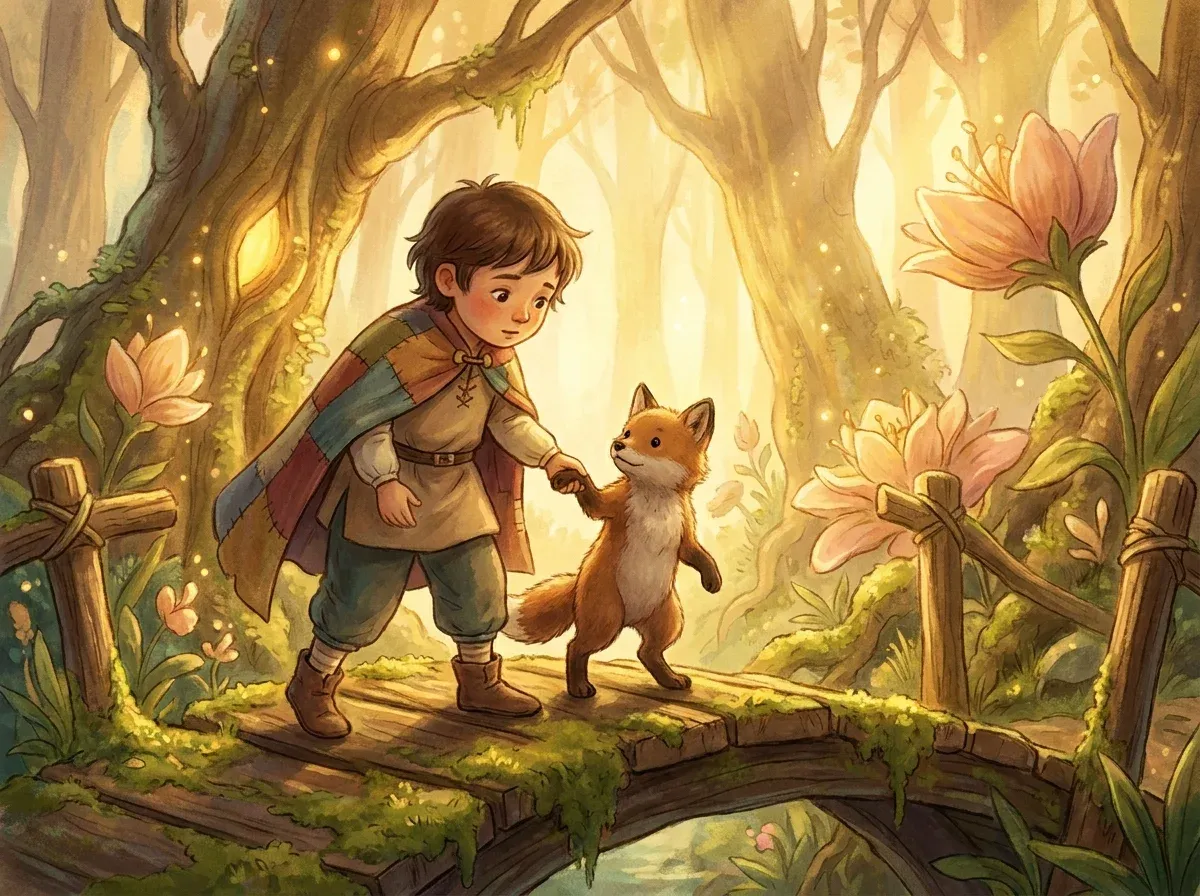
That's the magic of personalized stories — and it goes deeper than you might expect. At Epic Little Hero, children don't just have their names dropped into a narrative. Their real face appears in every illustration, placing them visually and emotionally inside the adventure. When a child opens the book and sees themselves helping a lost creature find its way home, or bravely guiding a group of friends through a jungle, they're not imagining what they might do. They're seeing what they already did — and internalizing that identity as their own. You can read more about the science behind this pull in our piece on why kids light up when they're the main character in a story.
Books That Grow Kind Kids
Not all books build empathy equally. Stories that center on a character facing a genuine emotional challenge — loneliness, fear, rejection, loss — and navigating it with vulnerability rather than instant heroics tend to generate the deepest empathetic response. Books like The Rainbow Fish, The Invisible String, or any story where a character must choose between self-interest and another's wellbeing give children real moral and emotional terrain to explore.
The conversation after the book is just as important as the book itself. Research consistently shows that children develop stronger empathy when caregivers pause to ask "How do you think she felt when that happened?" or "What would you have done?" rather than just reading straight through. These questions don't need to be formal or instructional — a soft "that looked hard for him, didn't it?" at a key moment is enough to anchor the emotional learning. The goal isn't a lesson; it's a shared emotional moment.
It's also worth noting what reading does for a child's emotional intelligence beyond empathy. Children who are read to regularly develop larger emotional vocabularies, stronger self-regulation, and better ability to handle conflict. Stories also quietly build a child's sense of self — their confidence in their own capacity to face challenges and care for others. If you're curious about that deeper dimension, our post on how stories build a child's self-esteem more than praise ever could explores it beautifully. And if you're trying to keep a reluctant reader engaged through the summer months, our guide on beating the summer reading slump has practical, low-pressure tactics that actually work.
Frequently Asked Questions
How does reading increase empathy?
Reading increases empathy by giving readers — including young children — repeated, emotionally rich practice at imagining another person's inner life. When you follow a character through fear, longing, or joy, your brain activates many of the same neural pathways it would if you were experiencing those emotions yourself. Over time, this "simulation" of other perspectives makes it easier to recognize and respond to feelings in real people, not just story characters.
How to increase empathy in children?
The most effective ways to build empathy in young children include: reading stories with emotional depth and discussing how characters feel; modeling empathetic responses in everyday situations; giving children opportunities to help others (even in small, age-appropriate ways); and reflecting on emotions using open, curious questions rather than judgments. Of these, reading together is one of the easiest to build into daily life — and one of the most enjoyable for both parent and child.
Why does reading more lead to greater empathy?
Volume matters because empathy, like any skill, grows with practice. Each story is a new perspective to inhabit, a new emotional situation to navigate. A child who has lived through a hundred stories — characters losing things they love, making new friends, feeling left out, being brave when it's hard — has a much richer emotional reference library than a child who hasn't. That library is what they draw on when someone in real life is hurting and they need to respond with care.
Are children who read more emotionally intelligent?
Research consistently suggests yes — with an important nuance. It's not just reading volume, but engagement with emotionally complex narratives that predicts higher emotional intelligence. Children who are read stories that explore nuanced feelings (not just "happy" or "sad" but loneliness, pride, embarrassment, hope) and who talk about those feelings with a trusted adult tend to develop stronger emotional awareness, better emotional vocabulary, and more sophisticated empathy than those who don't.
What kinds of books are best for building empathy in kids?
Books that build empathy best tend to feature: a relatable main character facing a genuine emotional challenge; moments of connection or kindness between characters; illustrations that clearly convey emotions on characters' faces; and stories that resist easy, tidy resolutions. Books that show characters helping others — and feeling good because of it, not just as a rule — are especially powerful. Personalized books where the child is the helper-hero add another layer: the child doesn't just observe the kindness, they enact it.
A Story Where Your Child Practices Being Kind
If you've read this far, you already believe in the power of stories to shape who your child becomes — not through preaching, but through experience. The next natural step is giving your child a story that places them at the center of the empathetic moment: one where they are the hero who reaches out, helps the lost creature, and chooses kindness when it counts.
At Epic Little Hero, your child's real face appears in every illustration — not as a name on a cover, but as the visible, recognizable hero of the adventure. When your child opens the book and sees themselves helping another character through a challenge, they're not reading about a good person. They're seeing themselves as one. Create your child's personalized story and give them the most meaningful kind of reading practice there is.