How to Help a Shy Child Build Confidence (Without Pushing Too Hard)
Shy kids don't need to be fixed — they need strategies that respect who they are. Here's how to gently help a timid 3–7 year old build real, lasting confidence.
Your child hides behind your leg at the playground. They whisper instead of speak at birthday parties. They watch other kids charge into new situations and you wonder — quietly, with a little ache in your chest — whether you should be doing something more. If that sounds familiar, take a breath. You're not watching a problem unfold. You're watching a temperament.
Quick answer: To help a shy child build confidence, resist the urge to push or label them. Instead, give them small, low-stakes social wins, prepare them for new situations in advance, and let them rehearse bravery in safe spaces — like stories and pretend play — before trying it in real life. Confidence in shy kids grows slowly, but it does grow.
The good news is that shyness and low confidence are not the same thing — and neither one is a sentence. With the right approach, even the most cautious 3–7 year old can develop a steady inner assurance that has nothing to do with becoming louder or more outgoing. It's about helping them trust themselves. Here's how.
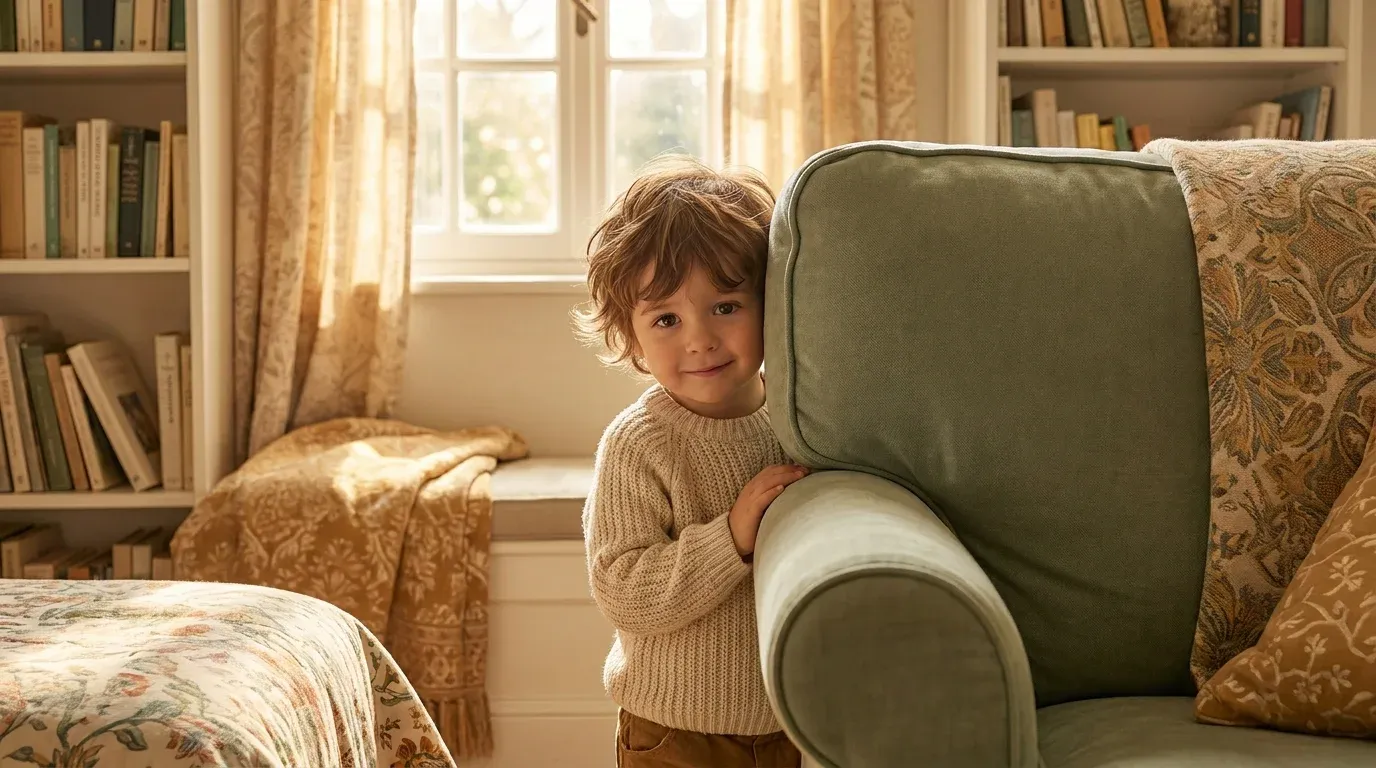
Shy Isn't a Flaw to Fix
One of the most damaging things we accidentally do to shy children is treat their personality as a malfunction. "She's so shy" said with a sigh in front of your child — even just once — can land like a label they spend years trying to shake. The truth is that shyness is a normal, healthy variation in temperament that many children share. Researchers call it "slow to warm up," which is a much kinder and more accurate description: these kids are careful observers who take their time before they engage.
What causes extreme shyness in kids? Often it's a combination of innate temperament (some children are simply wired to be more sensitive to new stimuli), early experiences, and how adults around them respond to their hesitation. When well-meaning parents rush in to answer for a quiet child, or over-apologize to others on their behalf, they send an unintentional signal: "You're right to hang back — the world is a bit much for you." That reinforcement, repeated over time, is what tips ordinary shyness into something harder to move through.
The first shift isn't a strategy — it's a reframe. Your child isn't broken. They're thoughtful. They're careful. They notice things other kids blow past. When you start narrating their shyness that way — to them, and to others — you give them a story about themselves they can actually grow into.
Confidence-Building Strategies That Respect Their Pace
The most effective way to boost a shy child's self-esteem is to engineer small, repeatable wins — situations where they try something slightly outside their comfort zone and discover they survived it, maybe even liked it. The key word is small. Signing a reluctant four-year-old up for a big group drama class is unlikely to transform them into a social butterfly; it's more likely to confirm that the world is overwhelming. A one-on-one playdate with one carefully chosen friend? That can change everything. The preview-and-prepare principle applies to seasonal celebrations too — if your family observes Jewish holidays, for instance, our guide on how to explain Rosh Hashanah to young kids is a great example of how framing an unfamiliar event in advance can ease a cautious child into it with confidence.
- Preview and prepare: Before any new situation, describe what will happen, who will be there, and — crucially — what the exit plan is. Shy children relax when they know the shape of something before it begins.
- Give them a job: At a family gathering, ask them to be the one who hands out napkins or feeds the dog. A small role dissolves the paralysis of "I don't know what to do here."
- Avoid the spotlight setup: Don't ask shy kids to perform — sing a song, tell the group what they did at school — in public. It tends to deepen the fear rather than reduce it.
- Praise the attempt, not the outcome: "I noticed you said hi to that kid — that took courage" lands far better than "See? That wasn't scary at all!" which dismisses their very real experience.
- Use the 3-3-3 rule: When anxiety spikes, help your child notice 3 things they can see, 3 things they can hear, and 3 things they can touch. This grounding technique works especially well for 5–7 year olds who feel overwhelmed in new environments.
- Play it out: Role-play social scenarios at home — meeting a new kid, joining a game already in progress — so they have a script to reach for when the real moment comes.
What causes low self-esteem in children more broadly? Often it's an accumulation of moments where they felt seen as incapable — by others, or by themselves. The strategies above work because they do the opposite: they stack up evidence, over time, that your child is more capable than their anxiety tells them. Confidence isn't a trait. It's a track record. If you're curious about why praise alone often isn't enough to build that inner foundation, how stories quietly build a child's self-esteem explores the deeper psychology behind it. The same preview-and-prepare approach works especially well for high-stakes one-off events — if your child dreads medical checkups, for example, our pre-visit prep playbook for children afraid of the doctor walks through exactly how to use it.
How Stories Let Kids Rehearse Bravery
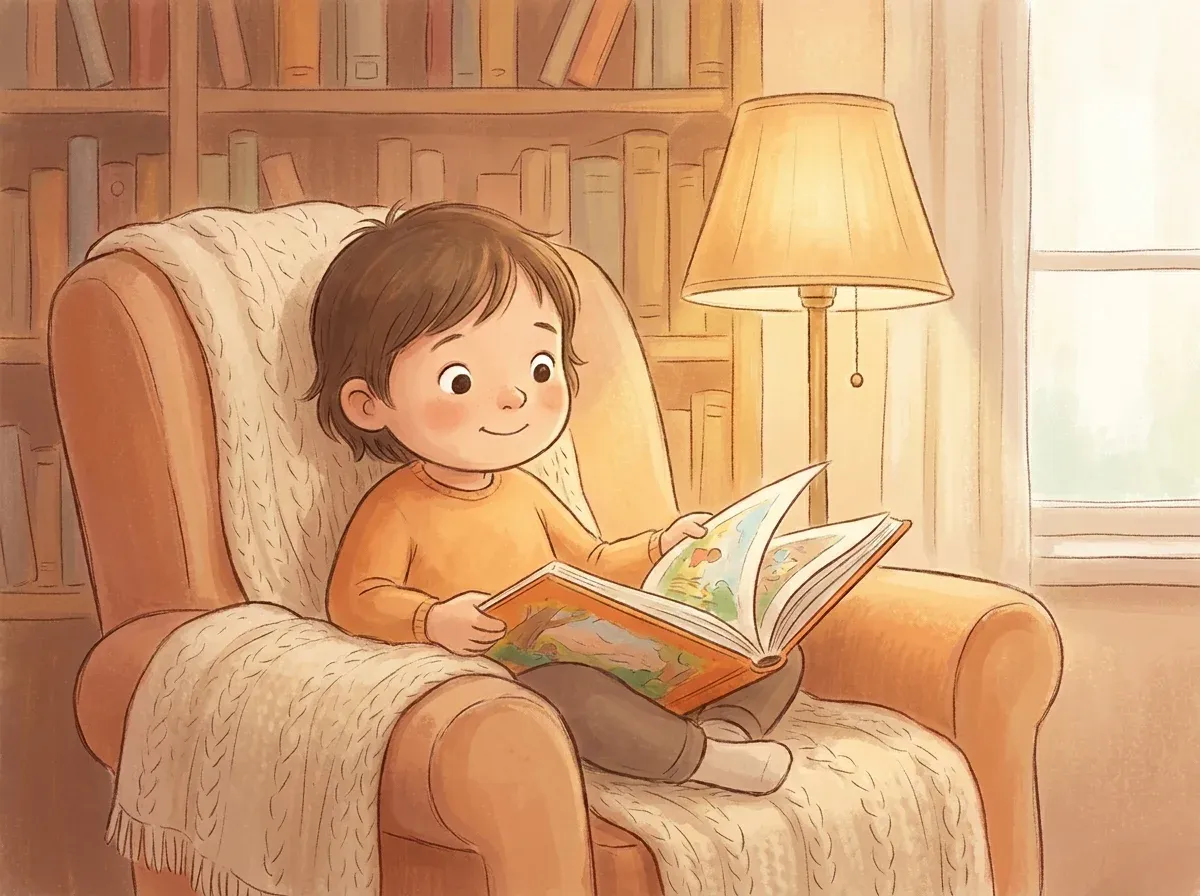
Here's something child development researchers have understood for decades: children use stories to rehearse emotions and situations they haven't faced yet. When a shy four-year-old listens to a character who's nervous about making a new friend but finds a way through, something clicks — not as advice, but as lived experience, once removed. The emotional circuits that activate during imaginative story engagement are remarkably similar to the ones that activate during real events. In other words, a child can practice being brave inside a story. If you want to extend this foundation with younger children, our guide to books that help toddlers name and understand their emotions is a great place to start.
This is why the choice of story matters so much for a timid child. A generic brave hero is fine. But a story where the brave hero is unmistakably, undeniably them — same face, same name, same curly hair — is something else entirely. It's not just entertainment; it's a private mirror showing them a version of themselves they haven't met yet. If you're wondering how to make your shy child confident through books, the research backs starting early and making it personal. You can read more about choosing the right adventure for your child in our guide to picking the perfect personalized book theme.
At Epic Little Hero, parents upload a few photos of their child and our AI weaves their real face into every illustration — so the hero exploring the jungle, piloting a rocket through space, or standing up to a forest giant genuinely looks like their kid. There's something quietly powerful about a shy five-year-old turning the page and seeing themselves at the center of a brave moment. They carry that image with them. It becomes part of the story they tell about who they are. It's not a replacement for real-world confidence practice — but it's a remarkable starting point, especially for children who need to see it before they can believe it. For children who are reluctant to sit down with books at all, we have practical strategies for encouraging a reluctant reader that work at every age.
If your child is also navigating a summer with fewer structured routines — which can quietly amplify social anxiety — a consistent reading ritual can act as a grounding anchor. Our post on the summer reading slump has gentle, low-pressure ideas for keeping kids connected to stories when everything else feels unscheduled.
Frequently Asked Questions
What causes extreme shyness in kids?
Extreme shyness usually has roots in temperament — some children are born with a more sensitive nervous system that registers new people and situations as higher-risk. This is often called "behavioral inhibition" in developmental psychology. It can be amplified by overprotective responses from caregivers (unintentionally confirming that the world is scary), limited exposure to varied social situations early on, or stressful experiences like moving, a new sibling, or starting school. It's rarely one single cause.
What causes low self-esteem in children?
Low self-esteem in children typically builds up from repeated experiences of feeling incapable, unseen, or compared unfavorably to others. It's often less about big dramatic events and more about small daily signals: being spoken for rather than allowed to answer, being labeled in front of others, or rarely being in situations where they can experience genuine success. For shy children specifically, self-esteem often dips when they sense that their temperament is viewed as a disappointment.
What is the 3-3-3 rule for children?
The 3-3-3 rule is a quick grounding exercise for anxious or overwhelmed children. Ask your child to name 3 things they can see, 3 things they can hear, and 3 things they can physically touch or feel. It works by redirecting the brain's focus from anxious thoughts to immediate sensory experience, which activates the calming part of the nervous system. It's particularly useful before social situations a shy child is dreading, or in the middle of a moment of overwhelm.
How do you boost a shy child's self-esteem without making them self-conscious?
The trick is to praise effort and courage privately and specifically, rather than making a big public deal of it. "I saw how you walked over to that kid even though it felt hard — that was really brave" said quietly on the walk home does far more than "Look how great she did, everyone!" which can embarrass a shy child and make them more self-conscious. Also: avoid narrating their shyness to other adults in their presence. What feels like explaining to you feels like labeling to them.
At what age does childhood shyness usually improve on its own?
Many children who are shy between ages 3–5 naturally become more socially comfortable as they move through kindergarten and early elementary school, simply through increased exposure and repetition. However, "improving on its own" works best when the environment is supportive and the child isn't being pushed or labeled. Children who receive gentle, patient scaffolding — small social challenges, positive reinforcement, and a strong internal narrative about their own capability — tend to open up earlier and with more lasting confidence.
The Bravest Version of Themselves Is Already in There
Helping a shy child gain confidence isn't about changing who they are — it's about giving them enough safe, successful experiences that they stop being afraid of who they could be. That happens on playgrounds, at kitchen tables, in role-play games — and yes, in the pages of a book where they get to see themselves being exactly that brave. If you'd like to give your child that private confidence rehearsal, you can create their personalized storybook at Epic Little Hero in just a few minutes. Upload a photo, pick a theme that speaks to them, and let them see themselves as the hero they already are.